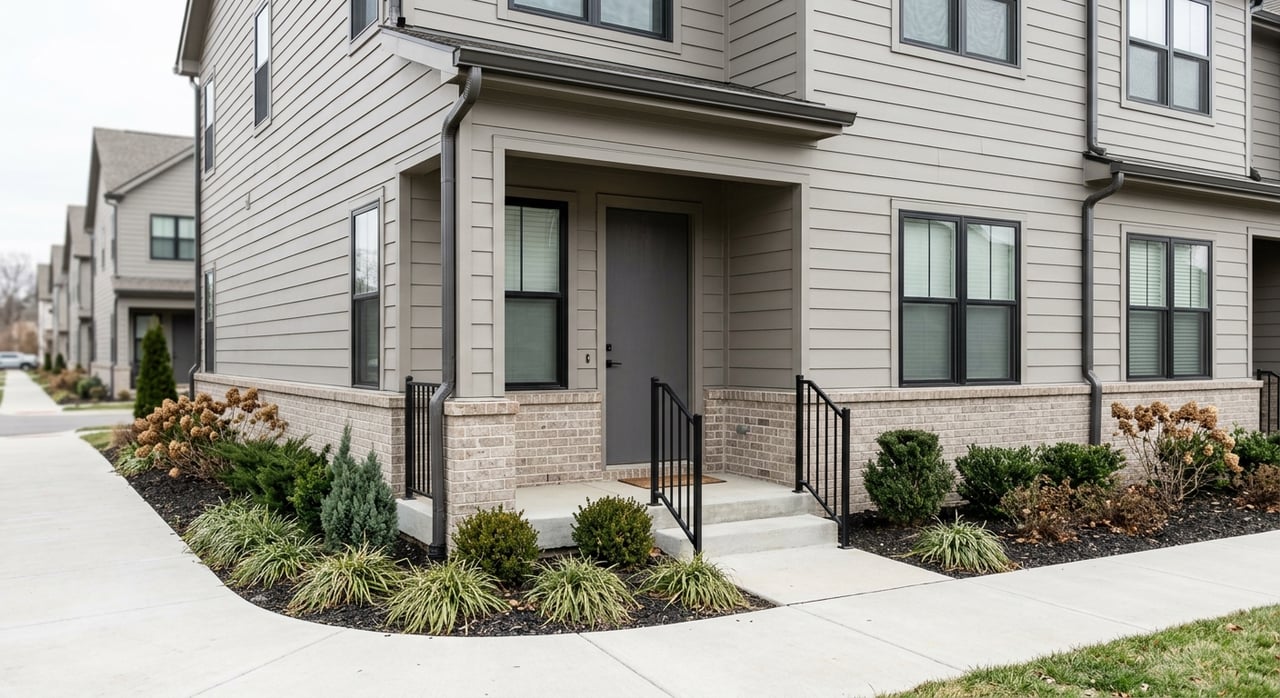
If you want lower-maintenance living in Maplewood, a townhome or condo can be a smart move. But the monthly dues, association rules, and resale documents can change what you actually own, what you pay for, and how smooth your purchase feels. This guide will help you understand how townhome and condo buying works in Maplewood, what documents to review, and where buyers should slow down before writing an offer. Let’s dive in.
Why Maplewood buyers choose condos and townhomes
For many buyers, the appeal is simple: less day-to-day upkeep. In many Minnesota common interest communities, the association may handle items like snow removal or lawn care, which can make ownership feel more manageable.
That convenience comes with a tradeoff. You also take on shared rules, monthly assessments, and limits that may affect parking, storage, exterior changes, or how certain spaces can be used. If you want fewer chores without unwanted surprises, document review matters just as much as the home itself.
How ownership works in Minnesota
Many Minnesota condos and townhomes are part of a common interest community, often called a CIC. In these communities, the declaration, bylaws, and other governing documents set the rules, as long as they do not conflict with Minnesota law.
One of the biggest mistakes buyers make is assuming the listing label tells the full story. A property marketed as a condo or townhome may have an ownership structure that only becomes clear when you review the recorded documents. In Minnesota, the documents determine the legal setup, not the marketing description.
Documents define your responsibilities
As a general rule, the association is responsible for common elements, while the unit owner is responsible for the unit itself. But that is only the starting point.
The declaration can shift responsibilities, which means you should confirm who handles roofs, siding, windows, decks, patios, plumbing lines, and other repair items before you commit. Exterior style alone does not tell you who pays when something breaks.
Shared living means shared decisions
Association living is different from owning a detached house. The association may enter units to perform maintenance or repairs, or to address hazardous or code-violating conditions.
That does not make ownership worse. It simply means you are buying into a shared framework where maintenance, access, and long-term decisions are more structured.
Maplewood rules to know before you buy
Maplewood adds an important local step that buyers should understand early. The city requires a Truth-in-Sale of Housing evaluation before certain homes, including townhouses and condominiums, can be sold.
The seller must have the full report before the property can be shown, and the report must be given to you before a contract is executed. The report is valid for one owner or for one year.
What the TISH report can reveal
The Truth-in-Sale of Housing report is a disclosure document. The sale is not contingent on the listed deficiencies.
Still, it can flag meaningful issues such as code concerns, flooding or sewer backup, water seepage, pending housing orders, deed restrictions, floodplain or shoreland issues, wells, and high-voltage line concerns. For a buyer, that makes it an important part of your review process, not just another form.
Maplewood market conditions matter
Maplewood has remained competitive. Over the three months ending May 2026, Redfin reported a median sale price of $338,298 and median days on market of 27, while Zillow reported an average home value of $349,786 as of May 31, 2026.
Inventory snapshots also show active attached-home options. Redfin reported 19 townhouses for sale in Maplewood at a median listing price of $297K, and another Maplewood snapshot showed 8 condos and 22 townhouses for sale last month.
For buyers, the practical takeaway is timing. A property may move faster than the association document review timeline, so it helps to request and review HOA materials as early as possible.
What to review before making an offer
Minnesota requires sellers of CIC units to provide a set of key documents. These include the declaration, bylaws, articles, rules and regulations, the resale disclosure certificate, and the association’s current budget and most recent financial statement.
You should also expect information about judgments and lawsuits. If the community is subject to a master declaration or master association, ask for those master-level documents and financial details too.
The resale disclosure certificate matters most
The resale disclosure certificate is one of the most important documents in the packet. It must be dated within 90 days of the purchase agreement or conveyance, and the association must furnish it within 10 days of request.
This certificate covers annual and special assessments, unpaid charges, extraordinary expenditures, reserve balances, insurance coverage, and pending lawsuits or judgments. It is best viewed as a snapshot of the association’s budget and risk, not a routine checkbox.
Check these items carefully
When you review the packet, focus on the items that affect your monthly cost and future exposure:
- Monthly dues
- Planned or possible special assessments
- Reserve balance
- Recent or approved extraordinary expenditures
- Pending litigation or judgments
- Insurance coverage details
- Parking, garage, storage, or other included spaces
- Rules that affect use of the property
It is also smart to compare the reserve balance, the age or condition of the community, and any upcoming work. That helps you judge whether the dues seem realistic or if future increases may be more likely.
Understanding dues and special assessments
Association dues are used to pay operating costs and build reserves. Those reserves help cover future repair and replacement needs for common elements.
If regular dues are not enough, the board can levy a special assessment. That may happen because of emergency repairs, unbudgeted expenses, or underfunded reserves.
Why reserves deserve a close look
A low monthly HOA fee may look attractive at first. But if reserves are thin and major work is ahead, lower dues today can sometimes mean higher costs later.
This is why the association’s financial health should be part of your buying decision. You are not just evaluating the unit. You are also evaluating the systems and budget that support the community.
Insurance and maintenance basics
Insurance is another area where buyers should avoid assumptions. The association’s master policy usually covers common elements and, in some communities with shared walls, siding, or roofs, it may also cover parts of the units.
However, the policy does not have to cover many interior finish items. That can include wall finishing materials, flooring, cabinetry, built-in appliances, and similar improvements.
Ask what you need to insure yourself
Because master policies can leave gaps, ask what the association policy covers and what you may need to insure separately. Owners can buy their own coverage for added personal protection.
You should also ask how deductibles are handled. In some cases, deductibles can be assigned to affected units, which can change your potential out-of-pocket risk after a claim.
Minnesota timing rules buyers should know
Minnesota gives buyers important protections tied to the delivery of CIC documents. If the required information is not delivered more than 10 days before the purchase agreement is signed, you may cancel within 10 days after receiving it.
Any waiver must be separate from the purchase agreement and signed more than 3 days after receipt. That rule reinforces how important these documents are in the purchase process.
There is another buyer protection worth knowing. A purchaser is not liable for unpaid common expense assessments, including special assessments, that are not listed in the resale disclosure certificate.
A simple Maplewood condo and townhome checklist
If you want a cleaner process, use a checklist early. This can help you move with confidence in a competitive market.
- Ask for the full resale packet as soon as you are serious about a property.
- Review the declaration, bylaws, articles, rules, budget, financial statement, and resale disclosure certificate.
- Confirm monthly dues, reserve balance, and any planned special assessments.
- Verify who maintains key items such as roofs, siding, windows, decks, and interior systems.
- Check what parking, storage, garage, or other spaces are legally included.
- Review insurance coverage and ask what you may need to cover yourself.
- Read the Maplewood Truth-in-Sale of Housing report before contract execution.
- Build a budget that still works if dues increase or a special assessment appears later.
Why guided review can save you stress
Townhome and condo purchases often look simple from the outside. In reality, they can involve layered documents, timing rules, financial review, and local disclosure steps that are easy to underestimate.
That is why a process-driven approach matters. When you review the right documents early and understand what to expect next, you can make a decision based on facts instead of guesswork.
If you are weighing a Maplewood condo or townhome purchase and want step-by-step guidance, James Sanchez can help you review the details, understand the tradeoffs, and move forward with clarity.
FAQs
What is a common interest community in Maplewood, MN?
- A common interest community is a property ownership structure where an association governs shared elements and community rules through documents such as the declaration and bylaws.
What documents should you review when buying a Maplewood condo or townhome?
- You should review the declaration, bylaws, articles, rules and regulations, resale disclosure certificate, current budget, most recent financial statement, and any information about lawsuits, judgments, or master associations.
What does the Maplewood Truth-in-Sale of Housing report cover?
- The report is a disclosure document that can identify issues such as code concerns, water seepage, flooding or sewer backup, pending housing orders, deed restrictions, and certain site-related concerns.
What does an HOA resale disclosure certificate show in Minnesota?
- The certificate can show annual and special assessments, unpaid charges, extraordinary expenditures, reserve balances, insurance coverage, and pending lawsuits or judgments.
Who handles maintenance in a Minnesota condo or townhome community?
- In general, the association handles common elements and the owner handles the unit, but the declaration can change those responsibilities.
Can HOA fees rise after you buy a Maplewood condo or townhome?
- Yes. Associations collect regular assessments for operations and reserves, and they can levy special assessments for emergency repairs, unbudgeted expenses, or underfunded reserves.
What should you check about parking and storage in a Maplewood condo or townhome purchase?
- You should confirm whether parking, garage, storage, or other auxiliary spaces are actually included in the purchase because the governing documents and certificate control those details.
When can a Minnesota buyer cancel after receiving CIC documents?
- If the required CIC information is not delivered more than 10 days before the purchase agreement is signed, the buyer may cancel within 10 days after receiving it.