If you have been renting and wondering whether Hugo is still within reach for a first home, you are not alone. The challenge is that Hugo offers real starter-home opportunities, but they sit inside a market where many homes are priced well above what first-time buyers expect. The good news is that with the right price target, financing plan, and timeline, you can shop smarter and move quickly when the right home appears. Let’s dive in.
What a starter home means in Hugo
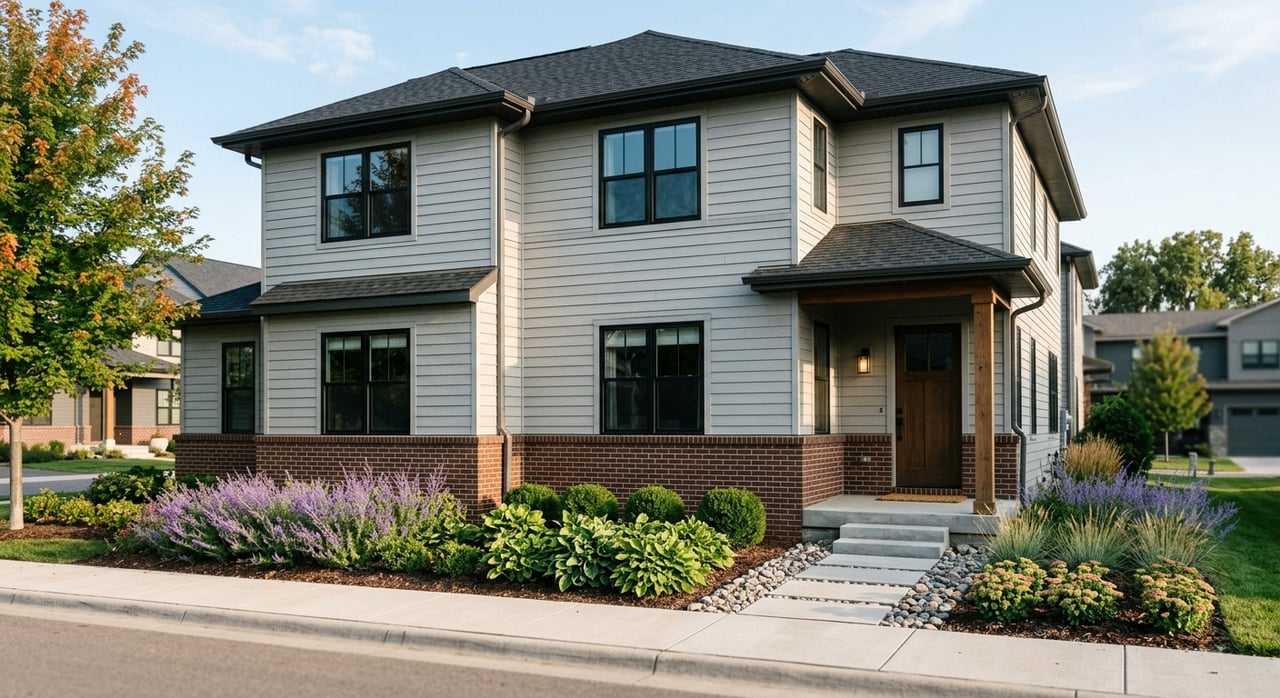
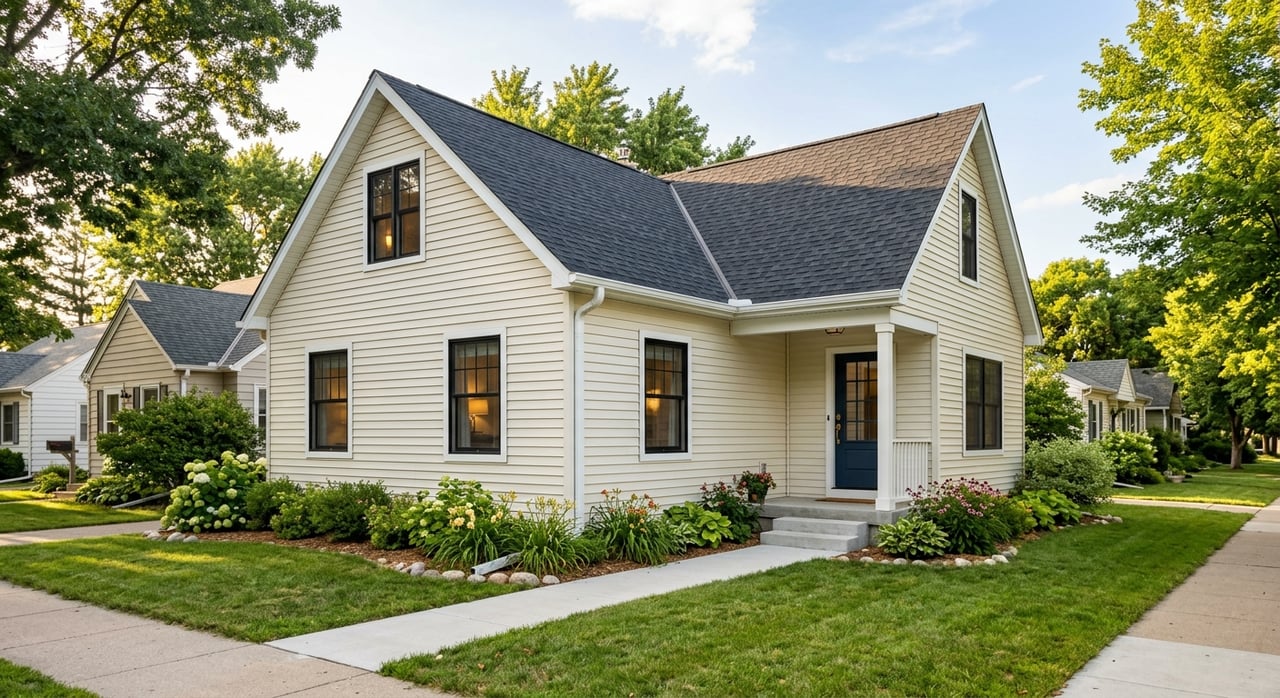
In Hugo, a starter home does not always mean a detached house with a large lot. The city describes its housing stock as a mix of suburban and rural living with a wide variety of housing options, including affordable housing, rentals, and higher-priced homes. That means your first purchase may look different depending on your budget and your maintenance goals.
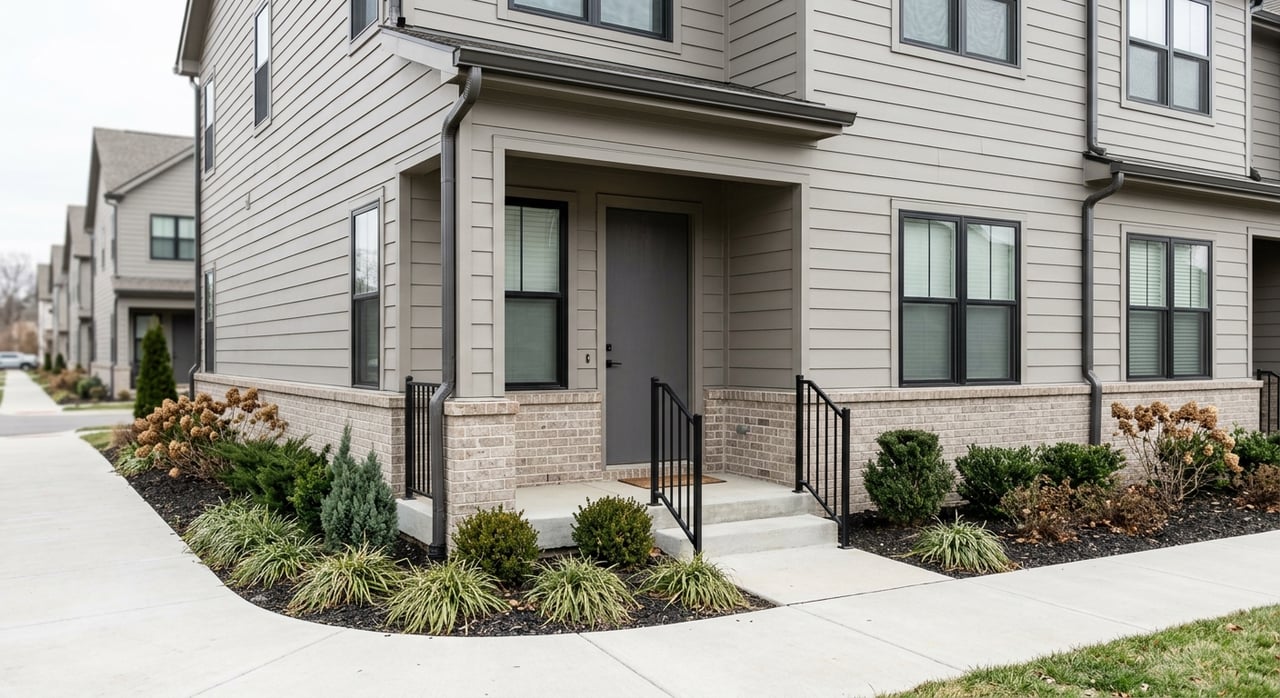
Local planning documents also point to smaller-footprint housing as part of Hugo’s housing mix. Medium-density housing in the city is intended to support smaller homes on smaller lots, along with twin homes and townhomes. For you as a buyer, that makes attached homes and smaller detached homes an important part of the first-time buyer conversation.
Starter-home price ranges in Hugo
Hugo is not a low-cost market by Twin Cities standards, so setting expectations early matters. The city’s community profile reports median housing values from about $360,600 to $408,900 depending on the data source and timeframe. A recent market snapshot also placed Hugo’s average home value at $441,029, with a median sale price of $385,250 and median list price of $383,800.
For many first-time buyers, that means the broad market and the starter-home segment are not the same thing. Based on current listing examples in the research, entry-level options included a 2-bedroom, 1-bath house at $259,900 and several townhomes roughly in the $199,900 to $315,000 range. At the same time, many detached homes were listed above $500,000, so the lower-priced segment is there, but it is narrower.
A practical target range
If you are buying your first home in Hugo, a practical starter-home search often starts in the high-$100,000s for some townhomes and moves into the mid-$200,000s to low-$300,000s for a wider set of attached homes and smaller houses. As condition, size, and location preferences increase, you may move closer to the city’s overall median price band. This is why a clear budget matters before you start touring.
Are townhomes realistic in Hugo?
Yes, townhomes are one of the most realistic first-purchase options in Hugo. In the inventory snapshot used for this research, there were 118 total listings, including 81 single-family homes and 27 townhomes. That mix shows that attached housing is a meaningful part of the local market, not just an occasional outlier.
Townhomes can give you a lower entry point than many detached homes in Hugo. They may also offer a simpler maintenance routine, which can help if you are moving from renting and do not want every repair and exterior task landing on your shoulders right away. If your goal is to own in Hugo without stretching into a larger detached-home payment, townhomes deserve a serious look.
How fast Hugo homes move
Speed matters in this market. A current snapshot showed median days to pending at 22, a median sale-to-list ratio of 1.001, and 39.2% of sales closing over list price. That does not mean every listing becomes a bidding war, but it does mean well-priced homes can move quickly.
If you see a home that fits your budget and criteria, you should be prepared to tour as soon as possible. Waiting several days to think about whether you want to schedule a showing can put you behind other buyers. A strong first-time buyer strategy in Hugo is less about rushing blindly and more about doing your prep work early so you can act with confidence.
Why preapproval comes first
Before you tour seriously, get preapproved. In a market where homes can go pending in just a few weeks, sellers often want to know that you are financially ready before they take your offer seriously. A preapproval also helps you shop within a real payment range instead of guessing.
A smart process is to compare at least three lenders and ask each one to show you your estimated monthly payment, not just the maximum loan amount. Preapproval letters usually expire in 30 to 60 days, so timing matters. It is also important to remember that preapproval is not the final loan commitment, but it is still a key first step.
Minnesota programs worth knowing
Minnesota Housing offers a Start Up program for first-time buyers, which it defines as buyers who have not had an ownership interest in a principal residence during the last three years. Program features may include downpayment and closing-cost loans up to $18,000, purchase price limits up to $515,200 in the 11-county metro, and a required homebuyer education course before closing. Minnesota Housing also notes that some mortgages may require as little as 3% down.
That matters in Hugo because many first-time buyers can manage a monthly payment before they can comfortably cover the upfront cash needed to close. If you think down payment or closing costs may be your main barrier, this is an area to explore early. It can shape what price range feels realistic.
How to choose the right first home type
Your best first home is not always the one with the lowest list price. It is the one that fits your monthly budget, repair tolerance, and medium-term plans. In Hugo, your realistic options may include a smaller detached house, a townhome, or a newer attached home.
Ask yourself a few direct questions before narrowing your search:
- Do you want the lower-maintenance lifestyle that often comes with an attached home?
- Are you comfortable taking on repairs if an older detached home needs updates?
- Is monthly payment more important than square footage?
- How long do you expect this first home to serve you before you move again?
These answers help keep your search focused. They also help your agent guide you toward the right properties faster.
Offer strategy for first-time buyers
Once you find a home, the goal is to write a clean, informed offer without giving up protections that matter. A solid first-time buyer offer should include financing and inspection contingencies. Those contingencies can give you room to renegotiate or walk away if financing falls through or the home has major issues.
In a competitive market, buyers sometimes feel pressure to strip away protections just to compete. That can create risk, especially on a first purchase. A better path is to be financially prepared, tour quickly, and make a strong offer with terms you understand.
Schedule the inspection right away
As soon as you are under contract, move quickly on the inspection. The inspection should be scheduled as soon as possible so there is time to review findings and decide on next steps. It is also important to know that an inspection is different from an appraisal.
If your contract includes an inspection contingency, unacceptable results may give you the ability to cancel without penalty. That timing window matters, so inspection planning should never be an afterthought. In a fast-moving market, the buyers who stay organized tend to feel more in control.
Hugo due diligence that buyers should not skip
Some Hugo properties may involve extra local due diligence, especially if the home uses septic or well systems. The city notes that septic permits and verifications are handled through Washington County Public Health and Environment. Washington County also states that buyers who do not know the status of a septic system may need a licensed inspector.
This is especially important if you are comparing suburban-style neighborhoods with properties that have more rural features. You do not want to assume every home has the same utility setup or the same records available. Asking about septic or well status early can save time and reduce surprises during your inspection period.
Permits and utilities after closing
Hugo’s building department requires permits for all new construction and most remodeling, alteration, and repair work. If you are buying a home with plans to update flooring, move walls, finish spaces, or tackle larger repairs, permit research should be part of your early planning. That helps you understand the scope of work before you commit.
The city also notes that sewer and water billing is set up to the property owner, with a buying-or-selling-home form used to finalize service. For first-time buyers, that is a simple but important closing checklist item. Utility transfer details are easy to miss when you are focused on the mortgage and moving boxes.
A simple Hugo buying roadmap
Here is a practical step-by-step approach for buying your first home in Hugo:
- Set a monthly payment ceiling based on your full budget.
- Get preapproved and compare at least three lenders.
- Explore whether a smaller house, townhome, or attached home fits you best.
- Tour quickly when a promising listing hits the market.
- Write the offer with financing and inspection contingencies.
- Schedule the inspection right away.
- Confirm whether septic, well, or county inspection records are needed.
- Move through underwriting, title, insurance, and closing.
- Complete the city utility transfer after the sale.
This kind of checklist-driven approach helps reduce stress because you know what happens next. It also keeps your financing, showing schedule, offer timing, and closing timeline aligned.
Why guidance matters in Hugo
First-time buying in Hugo is not just about finding the cheapest listing. It is about matching your budget to the right home type, staying ready in a market where homes can move quickly, and protecting yourself with the right due diligence. That is where a clear process makes a big difference.
When you have a broker-led team helping you track timelines, coordinate inspections, and keep financing steps on schedule, you can make decisions with more confidence. If you are thinking about buying your first home in Hugo, connect with James Sanchez for straightforward guidance and a step-by-step plan that helps you move forward with clarity.
FAQs
What price range counts as a starter home in Hugo?
- In current local examples, starter-home options included some townhomes from about $199,900 to $315,000 and at least one smaller detached house at $259,900, while Hugo’s broader median market sat much higher.
Are townhomes a realistic first purchase in Hugo?
- Yes. Current inventory snapshots show townhomes are a meaningful part of the Hugo market and often offer a lower entry price than many detached homes.
How fast do homes move in Hugo, Minnesota?
- A recent market snapshot showed median days to pending at 22, so you should be ready to tour quickly when a good listing appears.
Do first-time buyers need preapproval before touring homes in Hugo?
- It is strongly recommended because preapproval helps you set a real budget, compare lenders, and show sellers that you are financially prepared.
When should a first-time buyer schedule a home inspection in Hugo?
- You should schedule it as soon as possible after going under contract so you have time to review results and act within your inspection contingency period.
What local records matter if a Hugo home has septic or well service?
- You should confirm septic status early, since the city directs septic permits and verifications through Washington County, and some buyers may need a licensed septic inspector if system status is unclear.