Imagine waking up, grabbing coffee on your front porch, and strolling a few minutes to the Gulf. That simple, walkable rhythm is why many people fall in love with Seaside, Florida. If you are weighing a second home or a full-time move, you want clear answers about lifestyle, rules, costs, and rental potential. This guide gives you a practical, step-by-step look at what it is really like to own a home in Seaside and how to prepare for a confident purchase. Let’s dive in.
Seaside at a glance
Seaside is a compact, master-planned community on the 30A corridor with a central square, small shops, dune walkovers, and a strong emphasis on walkability. The town’s pattern was shaped by New Urbanism principles, which prioritize human-scale streets and a lively town center. You will see brick-paved lanes, front porches, and a central green used for daily life and events. For a concise overview, start with the community’s own description on the Seaside site and a planning perspective from the Congress for the New Urbanism.
- Learn the town’s origins and daily rhythm in the official overview on Seaside’s about page.
- For design context and planning background, see the CNU profile on Seaside.
Homes and architecture
What a typical cottage is like
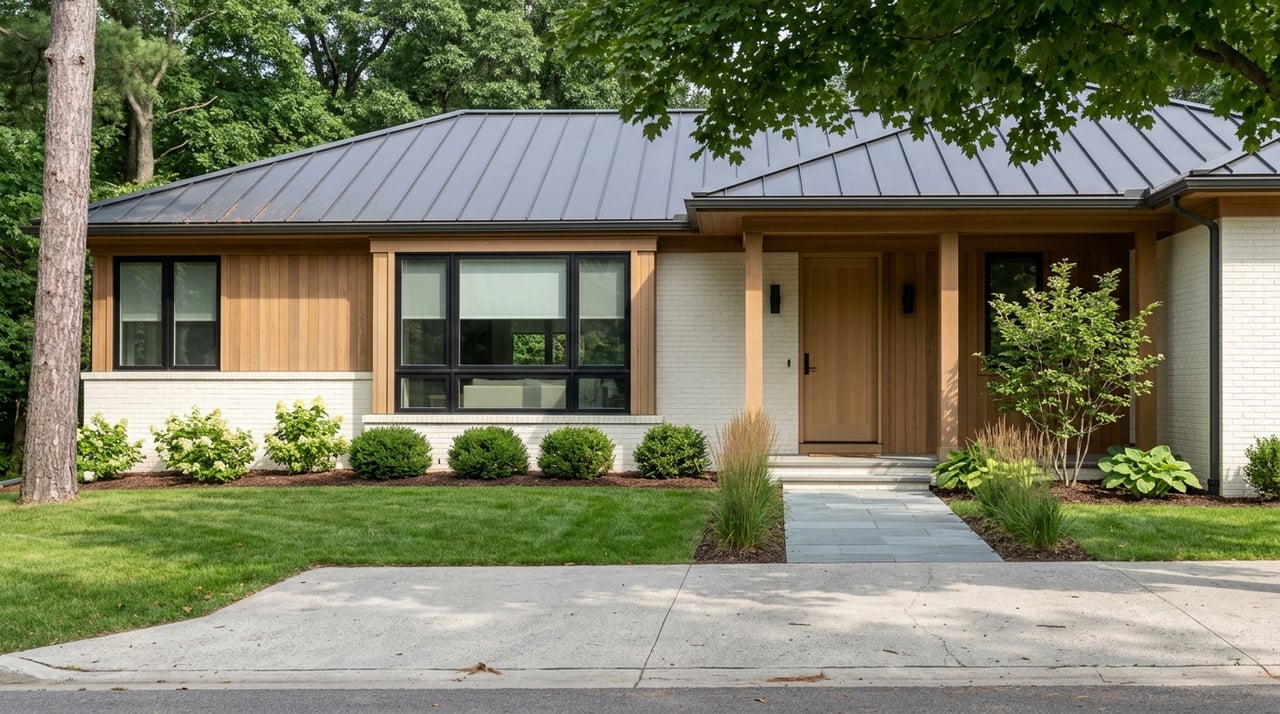
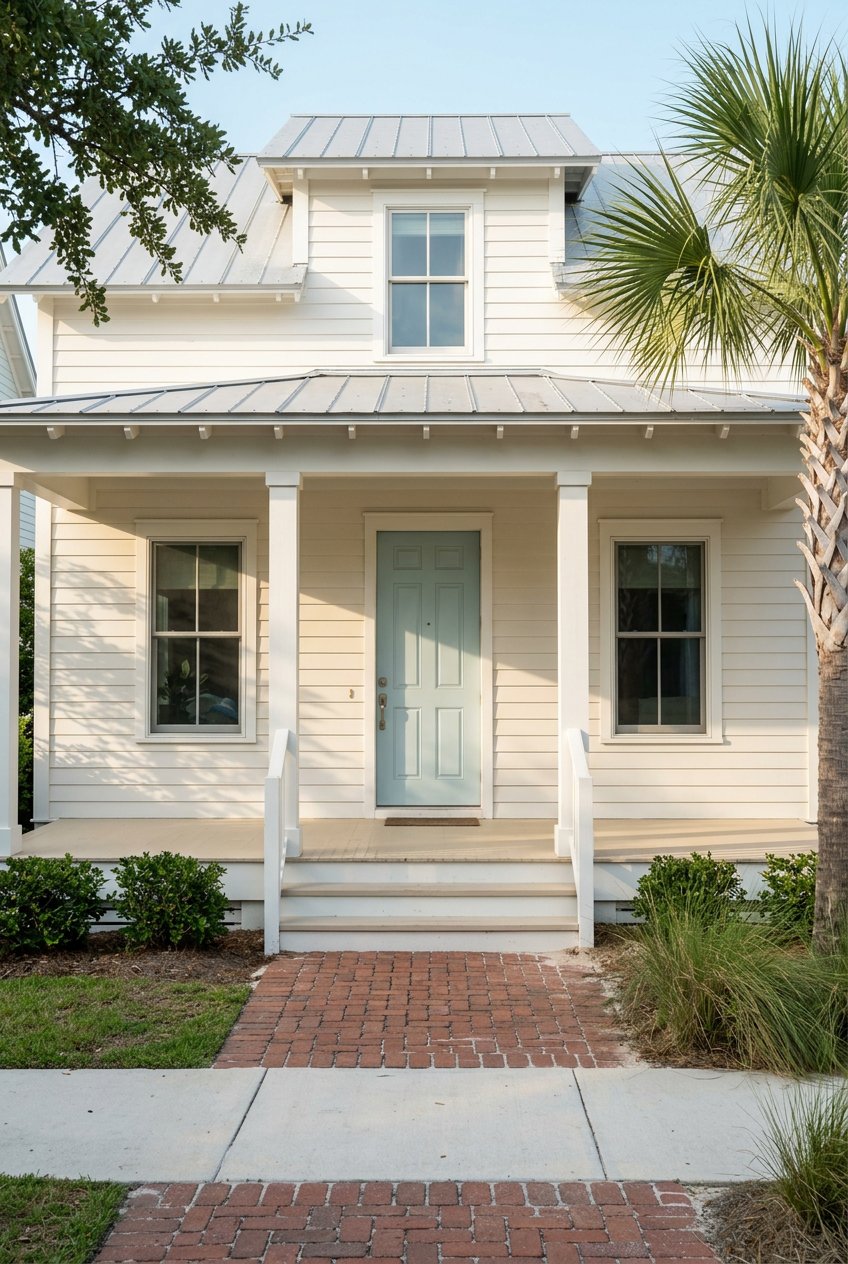
Most Seaside homes are cottages or small beach houses, some with accessory units over garages. You will notice deep or wrap-around porches, compact lots, and an emphasis on the public realm over large private yards. Many homes sit on elevated foundations, especially near the dunes, which fits coastal building practices.
Why everything looks so cohesive
Seaside maintains a formal architectural code that governs materials, porch details, windows, rooflines, and site work. This protects the town’s cottage character and your long-term value, but it also affects renovation choices and timelines. If you plan changes, expect a review process and approved material lists. You can read the standards in the Seaside Architectural Regulations.
Daily life and amenities
Central Square and beach access
Most homes are a short walk to Central Square, the amphitheater, dining, retail, and the dune walkovers. That layout lets you leave the car parked and handle daily errands on foot. Many owners cite this proximity as the main reason they picked Seaside, which is reinforced on Seaside’s about page.
Events, seasons, and crowd levels
Seaside feels like a quiet small town in the shoulder and winter months, then gets lively in spring and summer when visitors arrive. Markets, outdoor movies, and concerts often animate the green. The regional events calendar highlights how active the season can be, as seen in listings from Visit South Walton.
What ownership really costs
Property taxes in Walton County
Walton County uses millage rates that include county, school district, and special districts. Your effective tax bill depends on the assessed value and which districts apply to your parcel. Before you buy, model your target property’s taxes with the county appraiser and a property tax calculator. The county posts current millage details on the Walton County Property Appraiser site.
Insurance, wind, and flood
Coastal homes face specific risks and policy structures. Lenders usually require flood insurance for properties in FEMA Special Flood Hazard Areas, and homeowner policies in Florida often include separate hurricane or wind deductibles. During due diligence, request an elevation certificate, confirm the flood zone, and ask for recent insurance quotes. For background on hurricane risk and deductible structures, review the Reinsurance Association of America’s hurricane overview. If private carriers are limited, Florida’s Citizens exists as a residual option, explained in this Florida Citizens Insurance guide.
Maintenance and materials
Salt air and storms drive higher upkeep needs, including corrosion-resistant fasteners, rot-resistant woods, and hurricane-rated glazing. Seaside’s code already points you to materials that perform better in this climate. If you expect to renovate, factor in both the architectural review process and the coastal-grade material costs. See permitted materials in the Architectural Regulations.
Renting your home
Rental use is common, but seasonal
Many Seaside homes function as second homes that are rented out during part of the year. Demand is strongest in peak spring and summer, with quieter off-season periods. If rental income is part of your plan, underwrite with realistic occupancy tied to peak season and conservative shoulder-season assumptions.
County certification and rules
Short-term rentals require Walton County certification in many cases. If you plan to rent, verify the property’s current certification, understand any exemptions for homesteaded residences, and note how renting could affect homestead status. Start with the county’s Short-Term Vacation Rental FAQ and confirm details during due diligence.
Inventory and timing
Seaside is small, and inventory is limited. When a well-located cottage hits the market, it can move quickly. You will be better positioned if you secure financing pre-approval early, know your must-haves, and work with a local agent who understands Seaside’s code, insurance norms, and seasonal dynamics noted on Seaside’s about page.
How Seaside compares nearby
- Rosemary Beach: Another planned town on 30A with a formal town center and a different architectural reference point. It often presents a distinct vibe and amenity set compared with Seaside’s cottage scale.
- Alys Beach: White, geometric architecture and a more contemporary feel. Third-party coverage frequently positions it as premium and design-forward.
- Grayton Beach: An older, more eclectic setting with an informal, bohemian character that contrasts with Seaside’s planned layout.
- WaterColor and Seacrest: Larger, resort-style neighborhoods with pools and a range of housing types, which can feel more like a resort than Seaside’s intimate village.
Each community offers its own look, amenity mix, and social rhythm. If you want a porch-centric cottage town with a lively central green and walkable beach access, Seaside is a strong fit.
Buyer checklist for Seaside
Use this quick list to reduce surprises and keep your purchase on track:
- Experience the seasons. Visit in peak summer and a quiet shoulder or winter period to gauge crowd levels and daily life, as the Seaside overview suggests.
- Verify flood and elevation. Obtain the property’s FEMA flood zone and an elevation certificate if available. Lenders often require flood insurance in AE or VE zones.
- Price out insurance. Ask the seller for recent homeowner and flood quotes, then talk with a coastal-savvy insurance agent. Review hurricane deductible basics through the RAA’s hurricane overview and learn about Citizens in this Florida Citizens Insurance guide.
- Study the code. If you plan updates, read the Architectural Regulations and outline a pre-approval path for your scope.
- Confirm rental status. Check the property’s Walton County certification and understand any exemptions via the Short-Term Vacation Rental FAQ. If relevant, review historical occupancy and rates.
- Model taxes. Estimate the tax bill using assessed value and millage details posted by the county appraiser on the Walton County site.
- Prepare to act. With limited inventory, have financing pre-approval ready and an offer plan aligned to Seaside’s pace and property type.
Is Seaside right for you?
Choose Seaside if you value walkability, a consistent cottage aesthetic, and a social town center near the water. Expect compact lots, lively peak seasons, and an architectural review process that protects the look of the town. Budget for coastal insurance and maintenance, and be ready to move quickly when the right home appears. With the right preparation, you can enjoy a porch-to-beach lifestyle that is hard to replicate.
If you are exploring a Seaside purchase or want a step-by-step plan tailored to your goals, reach out to James Sanchez for local guidance and a streamlined path to closing.
FAQs
What do Seaside cottages typically include inside?
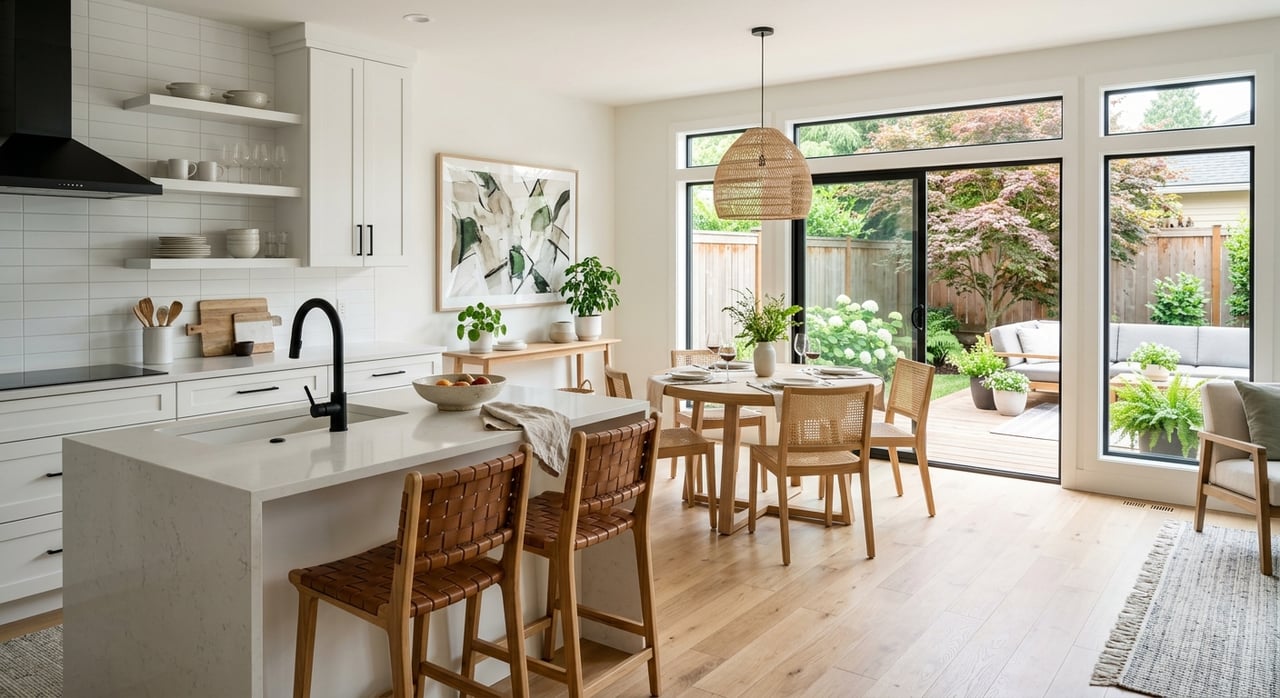
- Most homes feature porch-forward designs, compact lots, and elevated foundations in some areas. Layouts vary, but cottages often include open living spaces and, in some cases, accessory units above garages, as outlined on Seaside’s about page.
How close are Seaside homes to the beach access points?
- Many homes are a short walk to Central Square and the dune walkovers. The town’s plan prioritizes pedestrian access and direct Gulf connections, as shown on Seaside’s about page.
Can I run a short-term rental in Seaside and what rules apply?
- Short-term rentals are common, but you must follow Walton County requirements. Confirm whether the property is certified, understand any homestead exemptions, and review the Short-Term Vacation Rental FAQ.
How should I think about flood and wind insurance for a Seaside home?
- Verify the FEMA flood zone and request an elevation certificate. Expect separate hurricane or wind deductibles and price quotes that reflect coastal exposure. For context, see the RAA’s hurricane overview and the Florida Citizens Insurance guide.
How do Seaside’s building rules affect renovations and maintenance?
- The architectural review process and approved material standards preserve Seaside’s look and help with durability in a coastal climate. Review requirements and permitted materials in the Architectural Regulations.
How does Seaside compare with nearby 30A towns like Rosemary or Alys?
- Rosemary Beach and Alys Beach offer distinct styles and amenity mixes that feel different from Seaside’s cottage-scale village. Grayton Beach is more eclectic and informal, while WaterColor and Seacrest often read more resort-style. Tour a few in the same trip to find the best fit for your lifestyle.