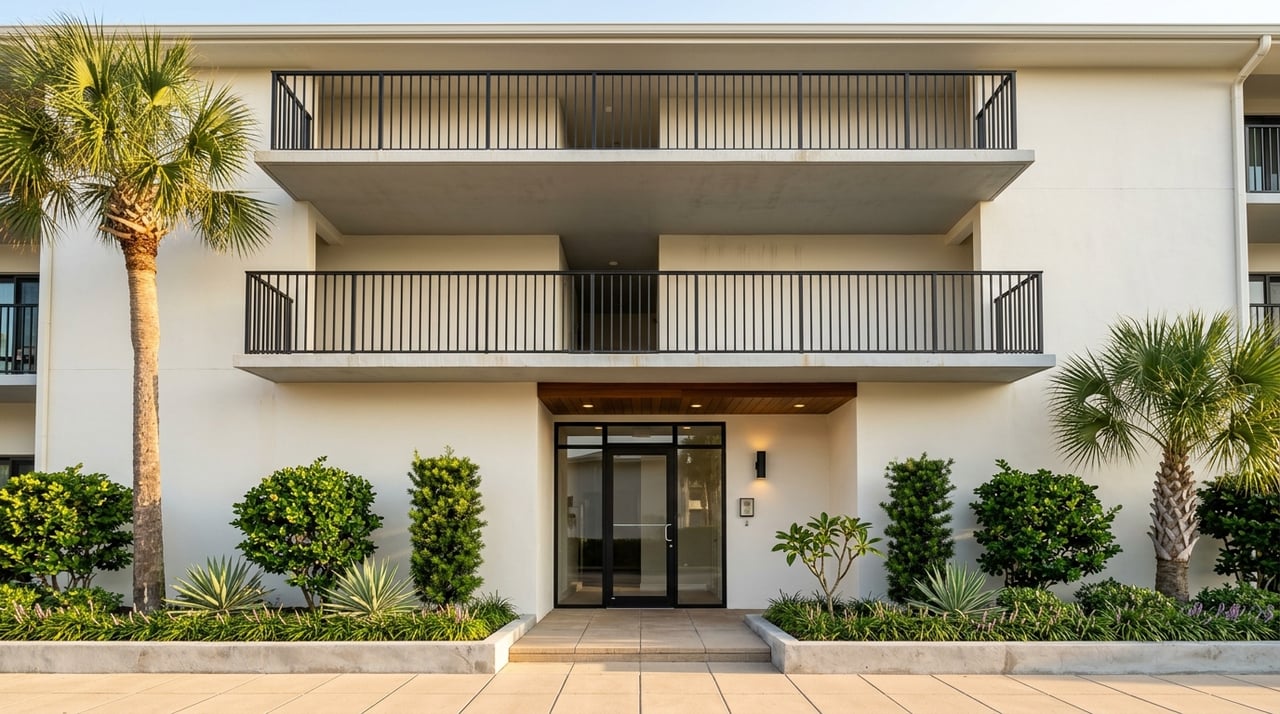
If you’re thinking about a place in Miramar Beach that you can enjoy part of the year, the biggest question often comes down to this: Do you want simplicity, or do you want control? That choice usually sits at the heart of the condo-versus-home decision for part-time residents. In a beach area known for resort-style amenities, beach access, and seasonal living, both options can work well, but they come with very different responsibilities. This guide will help you compare the tradeoffs, know what to review, and feel more confident about your next step. Let’s dive in.
Miramar Beach at a Glance
Miramar Beach is known as a vacation-oriented coastal area in South Walton with shopping, restaurants, tennis, golf, pools, a three-mile trail, and two regional beach accesses. The local pattern also includes many condos, villas, and townhomes in resort-style communities that bundle amenities like golf, tennis, pools, retail, and beach access.
For a part-time buyer, that matters. The area supports a lock-and-leave lifestyle in many settings, but it also offers detached homes for buyers who want more space and independence. Your best fit depends on how you plan to use the property when you are in town and when you are away.
Condos for Part-Time Living
A condo is often the easier fit if you want a home base near the beach without taking on as much exterior upkeep yourself. Under Florida law, condo associations are generally responsible for maintaining common elements, unless certain limited common elements are assigned differently in the declaration. The declaration can also assign responsibility for hurricane protection.
That structure can make condo ownership appealing if you live elsewhere most of the year. You may have fewer day-to-day exterior tasks to manage, which can reduce the stress of owning property from a distance. In a market like Miramar Beach, condos also often align with the area’s amenity-rich, seasonal lifestyle.
Why condos appeal to seasonal owners
For many part-time residents, the biggest advantages are convenience and predictability. You may be able to enjoy shared amenities and a more streamlined setup compared with a detached home.
Common reasons buyers lean toward a condo include:
- Less owner-managed exterior maintenance
- Access to shared amenities such as pools, tennis, or beach access
- A more lock-and-leave ownership style
- Resort-adjacent locations that fit seasonal use
What to watch before buying a condo
The tradeoff is that convenience comes with shared costs and shared rules. Condo owners usually pay monthly dues, contribute to reserves, and must follow association restrictions.
Florida also requires buyers to pay close attention to association records. For certain buildings that are three stories or taller, milestone inspections and structural integrity reserve studies may apply. The Florida Department of Business and Professional Regulation says structural inspection reports and reserve studies are part of the association’s official records and must be provided to potential purchasers.
Before you move forward, review the condo declaration, bylaws, rules, budget, and the most recent structural records. Offering materials must also disclose leasing restrictions, assessments, and mandatory fees tied to shared facilities. If rental income is part of your plan, these details matter early, not later.
Condo costs can go beyond dues
A lower-maintenance lifestyle does not always mean lower risk. Unpaid condo assessments can become liens, and associations may pursue foreclosure and attorney’s fees.
That means you should look beyond the monthly number and ask deeper questions. A condo with appealing amenities may still have reserve shortfalls, pending special assessments, or inspection issues that affect your true cost of ownership.
Homes for Part-Time Living
A single-family home can be a strong fit if you want more privacy, more control over the property, and more flexibility in how you use the space. In practice, detached homes often offer more room for parking, storage, and personal preferences.
That added freedom usually comes with more direct responsibility. If you are not in Miramar Beach year-round, you may need to coordinate vendors, monitor the property from afar, and plan ahead for routine upkeep and storm preparation.
Why some part-time buyers choose a home
A detached home can make sense when convenience is not your only priority. If you care most about space and control, a home may better match your goals.
Buyers often prefer a home when they want:
- More privacy
- More control over improvements
- More parking or storage
- Greater flexibility in everyday use
What to review with a home
Many homes in planned communities are still subject to HOA rules. In Florida, HOA authority over architectural control and exterior appearance depends on the governing documents, and members must comply with the statute, community documents, and association rules.
That is why document review still matters, even if you are buying a detached property. A home may feel less regulated than a condo, but it can still come with restrictions on exterior changes, parking, rentals, or property use.
Distance adds a layer of responsibility
For a seasonal owner, the biggest challenge with a home is usually management while you are away. Lawn care, exterior maintenance, storm prep, and post-storm checks do not go away just because the property sits empty for part of the year.
Florida law also allows HOA unpaid assessments to become liens, and associations may levy reasonable fines for rule violations. Fines may not exceed $100 per violation or $1,000 in the aggregate unless the governing documents say otherwise, and fines under $1,000 may not become a lien. For part-time owners, keeping your mailing address current and staying on top of notices is especially important.
Condos vs Homes: Key Tradeoffs
If you are deciding between the two, it helps to compare them side by side.
| Factor | Condo | Single-Family Home |
|---|---|---|
| Exterior upkeep | Usually more association-managed | Usually more owner-managed |
| Amenities | Often bundled with ownership | Varies by property and community |
| Rules and restrictions | Typically more extensive | Varies, but may still be significant in HOA communities |
| Privacy and control | Usually less | Usually more |
| Parking and storage | Often more limited | Often more flexible |
| Distance management | Often simpler | Often requires more vendor coordination |
| Shared costs | Monthly dues and possible assessments | HOA dues may apply, plus direct maintenance costs |
In simple terms, a condo is often the better fit when you want a lock-and-leave setup and are comfortable with dues, shared rules, and the possibility of special assessments. A home is often the better fit when you want more privacy and flexibility and are prepared to handle more maintenance planning.
Rental Plans Change the Equation
If you might rent the property when you are not using it, you need to verify rental rules early. That applies to both condos and homes.
For condos, the offering circular must identify rental restrictions and any mandatory fees tied to shared facilities. For homes, you need to review any HOA documents that may affect leasing, guest use, parking, or occupancy-related rules.
Short-term rental taxes matter
In Florida, transient rentals of six months or less are taxed at 6% state sales tax, plus any applicable discretionary sales surtax and local option transient rental tax. Walton County’s current local transient rental tax rate is 5%.
That means short-term rental plans come with tax responsibilities for either property type. If you expect to rent the property at all, make sure you understand what registrations and filings may apply before you buy.
Furnished rentals may trigger other filings
If the property is furnished and rented, Florida’s tangible personal property rules may also apply. The state says owners who lease, lend, or rent property must file a tangible personal property return by April 1.
This is one of those details that can surprise second-home buyers. It is another reason to treat rental use as part of your purchase decision, not an afterthought.
Flood and Insurance Review
In a coastal area like Miramar Beach, flood-zone review is a must. FEMA identifies Special Flood Hazard Areas as zones where mandatory flood insurance purchase rules apply for many mortgages, including coastal V zones.
Before making an offer, verify the property’s flood map status and ask what insurance requirements may apply. This matters whether you buy a condo or a detached home, though the way insurance responsibilities are divided can differ based on the property type and governing documents.
Tax Expectations for Part-Time Owners
Some buyers assume they will receive the same tax treatment as a primary residence, but that is not always the case. In Florida, the homestead exemption is tied to making the property your permanent residence and may reduce taxable value by up to $50,000.
Seasonal or second-home use generally does not meet that standard. If you are buying a Miramar Beach property as a part-time residence, it is smart to plan your budget around second-home ownership rather than assuming a homestead benefit.
A Simple Decision Framework
If you are still torn, start with how you want ownership to feel when you are away.
Choose a condo if you want:
- A more lock-and-leave setup
- Shared amenities built into the community
- Less exterior maintenance to coordinate
- A lifestyle that fits seasonal use
Choose a home if you want:
- More privacy and independence
- More flexibility with the property
- More room for parking, storage, or guests
- Greater control over improvements and daily use
Neither option is automatically better. The right choice depends on whether you value convenience more, or control more.
Questions to Ask Before You Buy
No matter which property type you prefer, a careful review can help you avoid surprises.
Ask these questions early:
- What do the governing documents say about rentals, pets, parking, and guest use?
- Who is responsible for hurricane protection or storm-related components?
- Are there pending special assessments or reserve shortfalls?
- Have there been recent inspection findings that affect future costs?
- Is the property located in a flood-prone zone?
- If you will rent it, what taxes or filing obligations apply?
A process-driven review matters even more when you are buying from out of state or planning to use the property only part of the year. Clear answers now can save you time, money, and stress later.
Choosing between a condo and a home in Miramar Beach is really about matching the property to your lifestyle, your budget, and how hands-on you want to be. If you want a simpler ownership experience with shared amenities, a condo may check the right boxes. If you want more privacy and flexibility and do not mind more management responsibility, a home may be the better long-term fit.
When you are ready to compare options, review documents, and make a clear plan for part-time ownership, James Sanchez can help you navigate the details with a practical, step-by-step approach.
FAQs
Is a condo or a home better for part-time living in Miramar Beach?
- A condo is often better if you want less exterior maintenance and a lock-and-leave setup, while a home is often better if you want more privacy, storage, and control.
What condo documents should part-time buyers review in Miramar Beach?
- You should review the declaration, bylaws, rules, budget, offering materials, and the most recent structural records, including any required inspection reports or reserve studies.
Can a Miramar Beach condo or home be rented short term?
- It depends on the governing documents and community rules, so you should verify rental restrictions, fees, and tax obligations before buying.
Do part-time owners in Miramar Beach qualify for Florida homestead exemption?
- Seasonal or second-home use generally does not meet Florida’s standard for homestead exemption, which is tied to permanent residence.
Why does flood-zone status matter when buying in Miramar Beach?
- Flood-zone status can affect insurance requirements and ownership costs, especially in Special Flood Hazard Areas where mandatory flood insurance rules may apply for many mortgages.
What happens if condo or HOA assessments go unpaid in Florida?
- Condo and HOA assessments can lead to liens, and condo associations may pursue foreclosure and attorney’s fees, so it is important to understand the payment obligations before closing.